Post-exercise fatigue is a common challenge faced by athletes and fitness enthusiasts alike. This fatigue, characterised by muscle soreness, mental exhaustion, and decreased performance, can significantly impact an athlete’s ability to train consistently and perform at their best. One of the most effective strategies to combat this fatigue is sports massage. A recent study by Özkan Karadavut and Gökhan Acar, published in the International Journal of Turkish Sport and Exercise Psychology, provides compelling evidence for the benefits of sports massage in reducing post-workout fatigue and accelerating recovery. This article delves into the study’s findings, explores the science behind sports massage, and offers practical advice for integrating this technique into recovery programmes.
Study Overview
The study titled “Effects of Sports Massage on Post-Workout Fatigue” was conducted using a meta-analysis approach. Meta-analysis is a statistical method that combines results from multiple studies to answer a specific research question—in this case, the effectiveness of sports massage in alleviating post-exercise fatigue. The study included randomised controlled trials (RCTs) and observational studies and was designed in accordance with the PRISMA (Preferred Reporting Items for Systematic Reviews and Meta-Analyses) guidelines.
Study Findings
The findings from the meta-analysis strongly suggest that sports massage is effective in reducing symptoms of post-exercise fatigue. Key benefits identified include:
- Reduction in Muscle Pain: Sports massage helps alleviate muscle soreness, a common symptom of post-exercise fatigue, by reducing muscle tension and pain.
- Improvement in Muscle Function: The technique enhances muscle function, enabling athletes to recover faster and return to training more quickly.
- Reduction in Inflammatory Responses: Sports massage minimises the inflammatory responses that often occur after intense physical activity, further aiding the recovery process.
While the study supports the effectiveness of sports massage, it also highlights the need for further research to optimise its application and standardise protocols across different sports and athlete profiles.
How Sports Massage Reduces Post-Exercise Fatigue and Enhances Recovery
Understanding the Physiological Mechanisms:
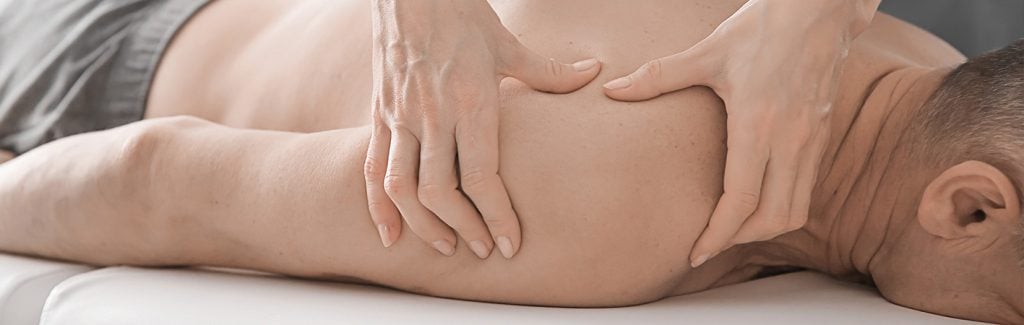
Sports massage is not just a feel-good treatment; it has tangible physiological benefits that directly contribute to reducing post-exercise fatigue and enhancing recovery. Here’s how:
1. Reduction of Muscle Tension and Pain:
- Muscle Relaxation: Sports massage helps to relax tense muscles by reducing the tightness that often develops during and after exercise. This relaxation helps in alleviating pain and discomfort, making it easier for athletes to resume training.
- Release of Endorphins: Massage stimulates the release of endorphins, the body’s natural painkillers, which help in reducing the perception of pain.
2. Improvement of Blood Circulation:
- Increased Blood Flow: The rhythmic manipulation of muscles during a massage increases blood circulation. Enhanced blood flow means more oxygen and nutrients are delivered to muscle tissues, which are essential for repair and recovery.
- Lymphatic Drainage: Sports massage also aids in the removal of metabolic waste products, such as lactic acid, that accumulate in muscles during intense exercise. This process, known as lymphatic drainage, helps reduce muscle soreness and fatigue.
3. Reduction of Inflammatory Responses:
- Anti-Inflammatory Effects: Research suggests that sports massage can reduce the production of inflammatory cytokines, which are responsible for muscle inflammation after exercise. By minimising inflammation, massage speeds up the recovery process.
- Enhanced Muscle Function: Reduced inflammation and improved circulation contribute to better muscle function, allowing athletes to regain strength and flexibility more quickly.
Practical Advice on Application
- Pressure and Duration: The effectiveness of sports massage depends on the appropriate application of pressure and duration. Deep tissue massage, for example, requires sustained pressure over specific areas for an extended period to be effective. In contrast, Swedish massage involves lighter, rhythmic strokes and can be shorter in duration.
- Timing Relative to Training: Applying sports massage immediately after exercise can help in reducing delayed onset muscle soreness (DOMS). However, for intense sports massage sessions, allowing a recovery period before the next workout is advisable.
- Integration with Other Recovery Techniques: Sports massage works best when combined with other recovery strategies such as hydration, proper nutrition, stretching, and adequate rest. This holistic approach ensures comprehensive recovery, enabling athletes to perform at their best consistently.
Integrating Sports Massage into Client Recovery Programmes
Why Include Sports Massage in Recovery Programmes?
Incorporating sports massage into recovery programmes offers a strategic advantage. It not only helps reduce post-workout fatigue but also enhances overall performance, prevents injuries, and improves long-term athletic development. By integrating sports massage into our clients’ routines, we can help them maintain a higher level of consistency in their training, leading to better results.
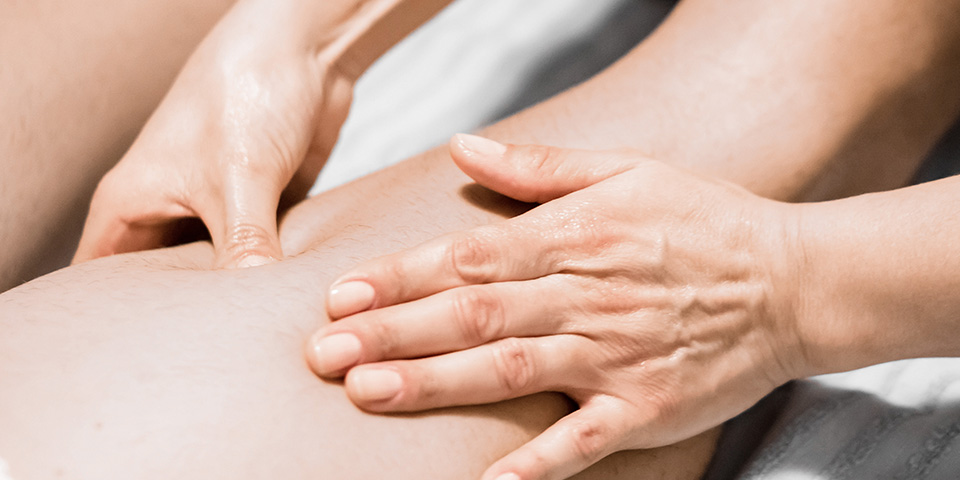
Best Practices for Incorporating Sports Massage
- Tailor Massage Techniques to the Client’s Needs:
- Deep Tissue Massage: For athletes engaged in high-intensity, muscle-straining activities, deep tissue massage can be particularly beneficial. This technique involves applying firm pressure to deeper layers of muscle tissue to relieve tension and chronic pain.
- Swedish Massage: This lighter technique is ideal for general relaxation and to improve blood circulation. It’s suitable for clients involved in less intense activities or during lighter training phases.
- Trigger Point Therapy: Focused on specific areas of muscle tightness, this technique is useful for clients with localised muscle pain or specific areas of soreness.
- Timing and Frequency of Sports Massage:
- Pre-Event Massage: A lighter, stimulating massage before a workout or competition can help prepare the muscles for the upcoming activity, reducing the risk of injury.
- Post-Event Massage: A more thorough massage after intense physical activity can help reduce muscle soreness, alleviate fatigue, and accelerate the recovery process.
- Regular Maintenance Massages: Scheduling regular massages, once or twice a week depending on the client’s training intensity, can help maintain muscle health and prevent injuries.
- Customise Based on Activity Type:
- For endurance athletes, focus on techniques that enhance circulation and flexibility.
- Strength athletes may benefit more from deep tissue massage to relieve muscle tightness and promote recovery.
- Consider the specific demands of the sport and tailor the massage to address common issues within that discipline.
- Monitor and Adjust:
- Regularly assess the client’s response to sports massage. Adjust techniques, pressure, and frequency based on their feedback and observed outcomes.
Sports massage is a powerful tool in our arsenal as fitness professionals and personal trainers. The study by Karadavut and Acar provides solid evidence supporting its effectiveness in reducing post-workout fatigue and enhancing recovery. By understanding the science behind sports massage and implementing best practices, we can significantly improve clients’ recovery processes, helping them achieve their athletic goals more efficiently and safely. As the research suggests, while sports massage is highly beneficial, further studies are needed to refine techniques and application protocols to maximise its potential across various sports and athlete profiles.
Reference
Karadavut, Ö., & Acar, G. (2024). Effects of Sports Massage on Post-Workout Fatigue. International Journal of Turkish Sport and Exercise Psychology, 1(2024), 15-29. Click here to review the full research article
Get Better Results with Sports Massage
Reduce post-workout fatigue in your clients and offer sports massage. Get qualified with our comprehensive course at TRAINFITNESS. According to recent studies, sports massage significantly reduces post-workout fatigue, alleviates muscle soreness, and accelerates recovery by improving blood circulation and reducing inflammation. As a personal trainer and fitness professional, adding sports massage to your skill set not only enhances your clients’ recovery but also boosts their overall performance. Don’t miss out on this opportunity to expand your expertise and offer more value to your clients.
Sports Massage Therapy Course – In-Person & Live-Virtual
Course Info
Get Started
View Dates
Related Posts
Here are some other articles you may be interested in: