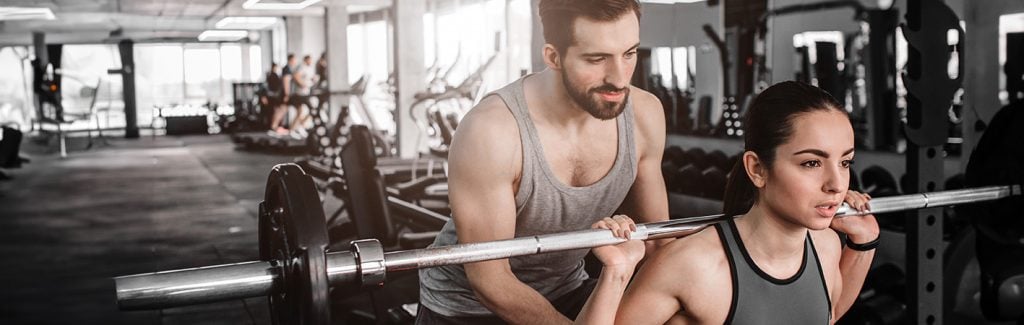
Squats are a cornerstone exercise in strength training, renowned for their comprehensive benefits, including enhanced lower body strength, improved core stability, and increased flexibility. As personal trainers, guiding clients to perfect their squat technique and maximise the benefits of this fundamental movement is crucial. This article outlines science-backed strategies to improve squat form, technique, and the weight lifted, drawing from recent studies to support these methods.
Benefits of Squats
Squats engage multiple muscle groups, including the quadriceps, hamstrings, glutes, lower back, and core, making them an efficient full-body exercise. Regularly performing squats can lead to:
- Increased muscle mass and strength in the lower body.
- Enhanced core strength and stability.
- Improved joint flexibility and injury prevention.
- Boosted athletic performance and balance.
- Enhanced calorie burn and support for fat loss efforts.
Strategies to Enhance Squat Performance
- Optimal Warm-Up: Dynamic stretching is a key component of an effective warm-up routine, preparing the muscles for the demands of squatting by improving flexibility and power output.
- Technique Refinement: Ensuring proper squat form is non-negotiable. This includes maintaining a straight back, keeping the chest up, and ensuring the knees do not extend beyond the toes.
- Strength and Conditioning Support: Incorporating exercises that target the primary and secondary muscles involved in squatting can significantly enhance performance.
- Improving Mobility and Flexibility: Focused training on mobility, particularly in the hips, ankles, and thoracic spine, can facilitate deeper and more efficient squats.
- Volume and Intensity Adjustment: Progressive overload, gradually increasing the weight and volume, is fundamental in advancing squat performance.
- Nutrition and Recovery: A balanced diet rich in protein supports muscle repair and growth, essential for recovery after intense squat sessions.
- Equipment Utilisation: Weightlifting shoes and belts can offer additional support and stability for heavier squats, potentially enhancing performance and safety.
- Periodised Training Plans: Implementing periodisation in training programmes can lead to greater improvements and prevent plateaus.
- Mental Preparation Techniques: Encouraging clients to engage in visualisation and mental rehearsal can enhance focus and performance.

Periodised Introductory Programme for Squat Development
Creating a periodised programme for a beginner learning to squat correctly involves gradually increasing the complexity and intensity of the exercises over time. This approach ensures the development of proper technique, strength, flexibility, and ultimately, performance. Here’s a basic 12-week periodised programme divided into three phases: foundational, strength building, and technique refinement. Each phase lasts four weeks, focusing on different aspects of squat development.
Weeks 1-4: Foundational Phase
Goal: Develop basic movement patterns, improve mobility, and establish foundational strength.
- Frequency: 3 times per week
- Exercises:
- Bodyweight Squats: 3 sets of 8-12 reps
- Plank: 3 sets of 20-30 seconds
- Glute Bridges: 3 sets of 10-15 reps
- Walking Lunges: 3 sets of 8-10 reps per leg
- Dynamic Stretching Routine: 10 minutes before each session
Weeks 5-8: Strength Building Phase
Goal: Increase lower body strength and introduce external resistance to squats.
- Frequency: 3 times per week
- Exercises:
- Goblet Squats: 3 sets of 8-10 reps
- Deadlifts (using dumbbells or kettlebells): 3 sets of 8-10 reps
- Step-ups: 3 sets of 10 reps per leg
- Romanian Deadlifts: 3 sets of 8-10 reps
- Mobility and Flexibility Routine: 10-15 minutes at the end of each session
Weeks 9-12: Technique Refinement Phase
Goal: Refine squat technique, introduce barbell squats, and improve overall squat performance.
- Frequency: 3 times per week
- Exercises:
- Barbell Back Squats: 3 sets of 5-8 reps
- Front Squats (with dumbbells or a barbell): 3 sets of 5-8 reps
- Bulgarian Split Squats: 3 sets of 8 reps per leg
- Core Strengthening Exercises (e.g., leg raises, Russian twists): 3 sets of 10-15 reps
- Plyometric Exercises (e.g., box jumps): 2 sets of 8 reps
General Tips
- Progression: Increase the weight or reps only if you can maintain proper form.
- Recovery: Include at least one day of rest between squat sessions. Utilise active recovery (e.g., light walking, yoga) to promote flexibility and recovery.
- Nutrition: Ensure a balanced diet to support muscle recovery and growth.
This periodised programme is designed to help beginners learn and improve their squat technique safely and effectively. Personal trainers should monitor their clients’ progress and make adjustments as needed, focusing on form, mobility, and gradual strength increases. With patience and consistency, beginners can develop a solid foundation in squatting techniques, leading to improved performance and reduced injury risk.
Incorporating these evidence-based strategies into your training protocols can significantly improve your clients’ squat performance, benefiting their overall fitness and health. Personal trainers should adapt these guidelines based on each client’s individual needs, goals, and current fitness levels, ensuring a personalised and effective training experience.
References
- Yu, W., Feng, D.S., Zhong, Y., Luo, X., & Xu, Q. (2024). Investigating the Influence of Warm-Up Static and Dynamic Stretching, as well as Post-Activation Potentiation Effects, on the Acute Enhancement of Gymnastic Performance. Journal of Sports Science and Medicine. Click here to review the full research article
- dos Reis, A.L., de Oliveira, L.C., et al. (2024). Effects of stretching on muscle strength, endurance, and power performance: A systematic review and meta-analysis. Isokinetics and Exercise Science. Click here to review the full research article
- Alizadeh, S., Daneshjoo, A., Zahiri, A., & Anvar, S.H. (n.d.). Resistance Training Can Improve Range of Motion. Canadian Strength CA. Click here to review the full research article
New Course: Strength & Conditioning Exercise Specialist
Elevate your career to new heights as a Strength & Conditioning Exercise Specialist with this comprehensive TRAINFITNESS course. Tailored for those passionate about athletic performance and physical health, this programme prepares you to meet the growing demand for qualified specialists in this dynamic field. Whether you’re aiming to join elite sports teams, work in high-performance gyms, or establish yourself as a personal coach, this course offers the expertise to guide clients to superior results. Secure your dream role and make a significant impact on people’s physical capabilities and overall wellbeing. Learn more about this exciting opportunity and take the first step towards a rewarding career here.
Strength & Conditioning Exercise Specialist – In-Person, Live-Virtual & Distance Study
Course Info
Get Started
View Dates
Related Posts
Here are some other articles you may be interested in: