Get an extra £200 off PT diplomas.
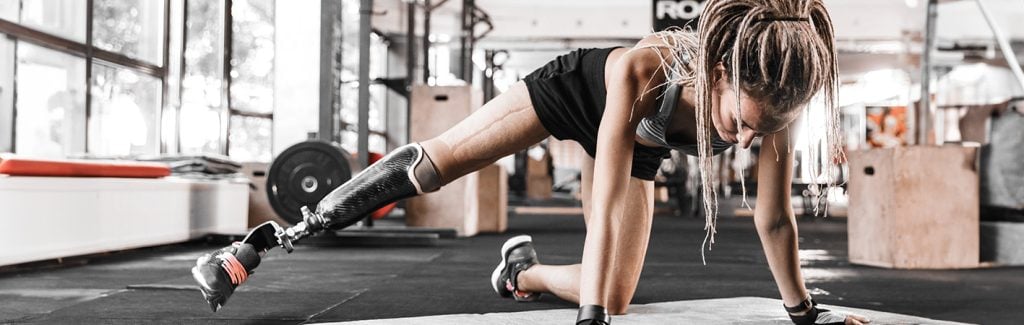
Get Started The journey of rehabilitation and return to sport, exercise, and recreation (SER) following amputation presents unique challenges and opportunities for both individuals and fitness professionals. The recent study by Justin Z. Laferrier, Matthew Parente, and Duffy Felmlee, published on January 3, 2024, sheds light on this critical aspect of recovery and adaptation. This article aims to distil the findings of their research into actionable insights and strategies for fitness professionals working with clients who have had amputations, culminating in a periodised training programme designed to facilitate a successful return to SER.
The study by Laferrier et al. explores the multifaceted process of returning to SER activities post-amputation, emphasising the psychological and physical adaptations necessary for success. Key findings highlight the importance of a holistic approach to rehabilitation, incorporating not just physical training but also psychological support to overcome barriers to participation in SER activities.
One of the study’s significant insights is the role of tailored exercise programmes that account for the unique needs and capabilities of these clients. It underscores the necessity of building strength, flexibility, and endurance while also fostering a positive self-image and resilience in the face of challenges.
Based on the study’s findings, fitness professionals can adopt several strategies to enhance their training programmes for this demographic:

A periodised training programme for clients who have had an amputation, returning to SER should be phased to gradually build up physical capacity and confidence. Here’s a basic framework:
This periodised programme is a starting point and should be customised based on the individual’s progress, preferences, and feedback. Regular reassessment and adaptation of the programme are essential to meet the evolving needs of the client.
The study by Laferrier et al. provides valuable insights for fitness professionals working with clients with amputations. By adopting a holistic, individualised, and phased approach to training, professionals can significantly impact their clients’ ability to return to and thrive in SER activities.
References:
Unlock the potential of your fitness career with our Programming and Supervising Exercise with Clients with Disabilities course! Developed by industry experts, this comprehensive programme equips fitness professionals with the knowledge and skills needed to effectively train and support clients with disabilities on their fitness journey. Learn evidence-based strategies, including insights from recent studies such as the one on “Return to Sport, Exercise, and Recreation (SER) Following Amputation“, to tailor exercise programmes that meet individual needs and goals. Gain confidence in providing inclusive and empowering fitness experiences while making a positive impact on your clients’ lives. Get started today and take your career to the next level!
Exercise for Clients with Disabilities Course – Distance Study